Destination Guides
Best Time to Visit Japan: Sakura, Autumn Colours and Snow, Month by Month
Sakura peaks late March–early April, autumn colours in late November (Tokyo) to December (Kyoto), and Hokkaido's snow season runs December–February. A month-by-month guide for UAE travellers.
By Noushad Eranniyan8 min read
On this page · 12 sections
- Best time to visit Japan: at a glance
- Japan's weather by month
- Cherry blossom season (sakura)
- Autumn colours (koyo)
- Rainy season, typhoons and summer heat
- Winter: snow, skiing and festivals
- Japan's holiday crowd peaks to avoid
- A UAE traveller's calendar
- Getting there and the visa
- Plan your Japan trip with Holidayys
- Frequently asked questions
- Related guides
The short answer: there is no single best month for Japan — it depends on what you want. Cherry blossoms typically peak in late March to early April in Tokyo, Kyoto and Osaka, and about a month later in Sapporo; autumn colours peak in late November in Tokyo and roughly two weeks later in Kyoto; and Hokkaido gets reliable snow from December to February, including the Sapporo Snow Festival, provisionally set for 4–11 February 2027. The two spells to plan around are the rainy season (tsuyu), roughly early June to mid-July across Honshu, and typhoon season, which peaks in August and September. Golden Week (29 April–5 May 2027) and Obon (mid-August) are Japan's own busiest, priciest travel weeks.
Best time to visit Japan: at a glance
| Period | Typical dates | What to expect |
|---|---|---|
| Cherry blossoms (sakura) | Late March–early April (Tokyo, Kyoto, Osaka); early May (Sapporo) | Peak bloom, highest hotel demand of the year |
| Rainy season (tsuyu) | Early June–mid-July (Honshu) | Humid, frequent short showers broken by dry spells; Hokkaido is unaffected |
| Typhoon season | August–September (peak) | Most storms form in August; September's tend to be the strongest |
| Autumn colours (koyo) | Late November (Tokyo); early–mid December (Kyoto) | Second major bloom-watching season |
| Winter snow | December–February | Hokkaido skiing, the Sapporo Snow Festival in February |
| Golden Week | 29 April–5 May 2027 | Japan's biggest domestic travel week; book months ahead |
| Obon | Mid-August (commonly 13–16 August) | Second domestic travel peak, in the hottest weather of the year |
Japan's weather by month
Tokyo's 1991–2020 climate normals, from the Japan Meteorological Agency, give a reasonable guide to the rest of central and western Honshu (Kyoto and Osaka run a little warmer in summer; Sapporo is colder year-round and gets far less rain, but more snow).
| Month | Avg high / low (°C) | Rain (mm) | What's on |
|---|---|---|---|
| January | 9.8 / 1.2 | 60 | Coldest, driest, clearest skies; New Year crowds early in the month, then quiet |
| February | 10.9 / 2.1 | 57 | Driest month; Sapporo Snow Festival |
| March | 14.2 / 5.0 | 116 | Plum blossom, then sakura from late in the month |
| April | 19.4 / 9.8 | 134 | Peak cherry blossom in most of Honshu; Golden Week crowds build from late April |
| May | 23.6 / 14.6 | 140 | Golden Week (29 Apr–5 May), Japan's busiest travel week; pleasant once it's over |
| June | 26.1 / 18.5 | 168 | Rainy season begins across Honshu |
| July | 29.9 / 22.4 | 156 | Rainy season ends mid-month; hot and humid after; Mt Fuji's climbing season opens |
| August | 31.3 / 23.5 | 155 | Hottest month; typhoon risk rising; Obon holiday mid-month |
| September | 27.5 / 20.3 | 225 | Peak typhoon season; still hot and humid |
| October | 22.0 / 14.8 | 235 | Wettest month on average, from lingering typhoons; comfortable once clear |
| November | 16.7 / 8.8 | 96 | Autumn colours begin, peaking late in the month in Tokyo |
| December | 12.0 / 3.8 | 58 | Illuminations; Hokkaido's ski season starts; New Year crowds build late in the month |
Cherry blossom season (sakura)
Based on 30-year averages rather than any single year's forecast, full bloom typically falls on these dates:
- Tokyo: first blossoms around 24–26 March, full bloom around 3 April
- Kyoto: full bloom around 4–5 April
- Osaka: full bloom around 5 April
- Sapporo: first blossoms around 1–3 May, full bloom around 6–7 May
These are historical averages, not a prediction for 2027 — actual bloom dates can swing by a week or more either way, and recent warm years have tended to push Honshu's bloom earlier than the long-term average. Japan's weather services publish their first bloom forecasts for a given year from around late February, refined through March, so hold off booking tightly around sakura until closer to your travel dates.
Autumn colours (koyo)
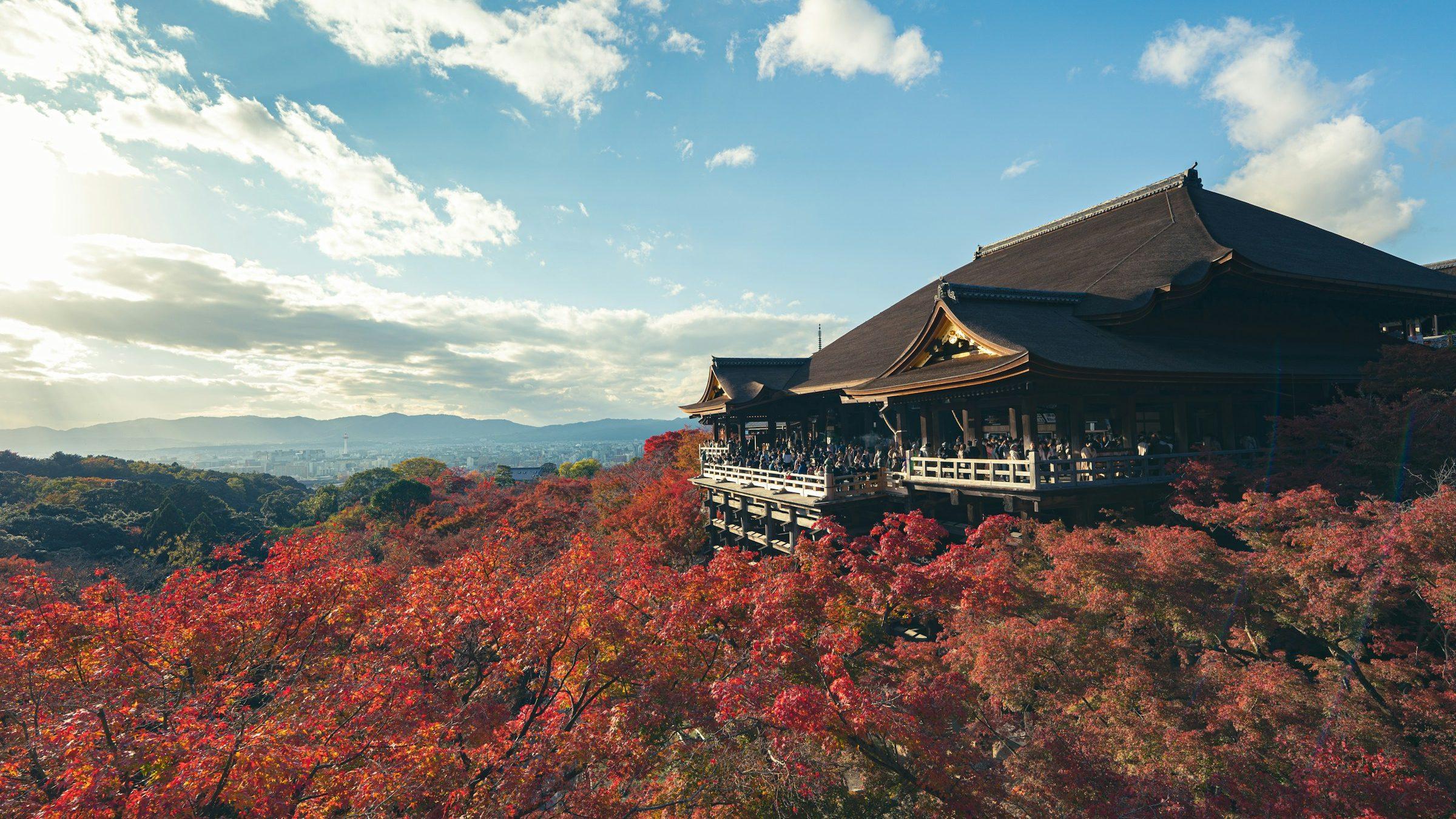
Tokyo's maples typically peak in the last few days of November; Kyoto's peak roughly two weeks later, in the first half of December. As a sense of timing rather than a date for next year, the Japan Meteorological Corporation's first 2026 forecast, issued in September 2026, put Tokyo's red maples at around 29 November and Kyoto's at around 11 December, with ginkgo turning gold a few days earlier in both cities. Warmer autumns have been nudging the peak later across Honshu in recent years, so treat these as a guide and check an updated forecast a few weeks ahead of travel.
Rainy season, typhoons and summer heat
The rainy season (tsuyu) runs from early June to mid-July across most of Honshu — on JMA's 1991–2020 averages, roughly 7 June to 19 July for Tokyo and the Kanto region, and a day or two earlier for Kyoto and Osaka. It isn't constant rain: Tokyo typically sees rain on 10–14 of June's 30 days, broken up by dry, humid spells. Hokkaido has no tsuyu season at all.
Once the rains clear, summer turns hot and humid fast: Tokyo's average high reaches 31.3°C in August, and the humidity makes it feel hotter still. Typhoon season runs May to October on paper, but most storms form in August, while September's tend to be the strongest and most damaging, with gusts that can reach around 30 m/s. Travelling in August or September means budgeting for possible flight and train disruption, and it's worth keeping tickets flexible and taking out travel insurance.
Winter: snow, skiing and festivals
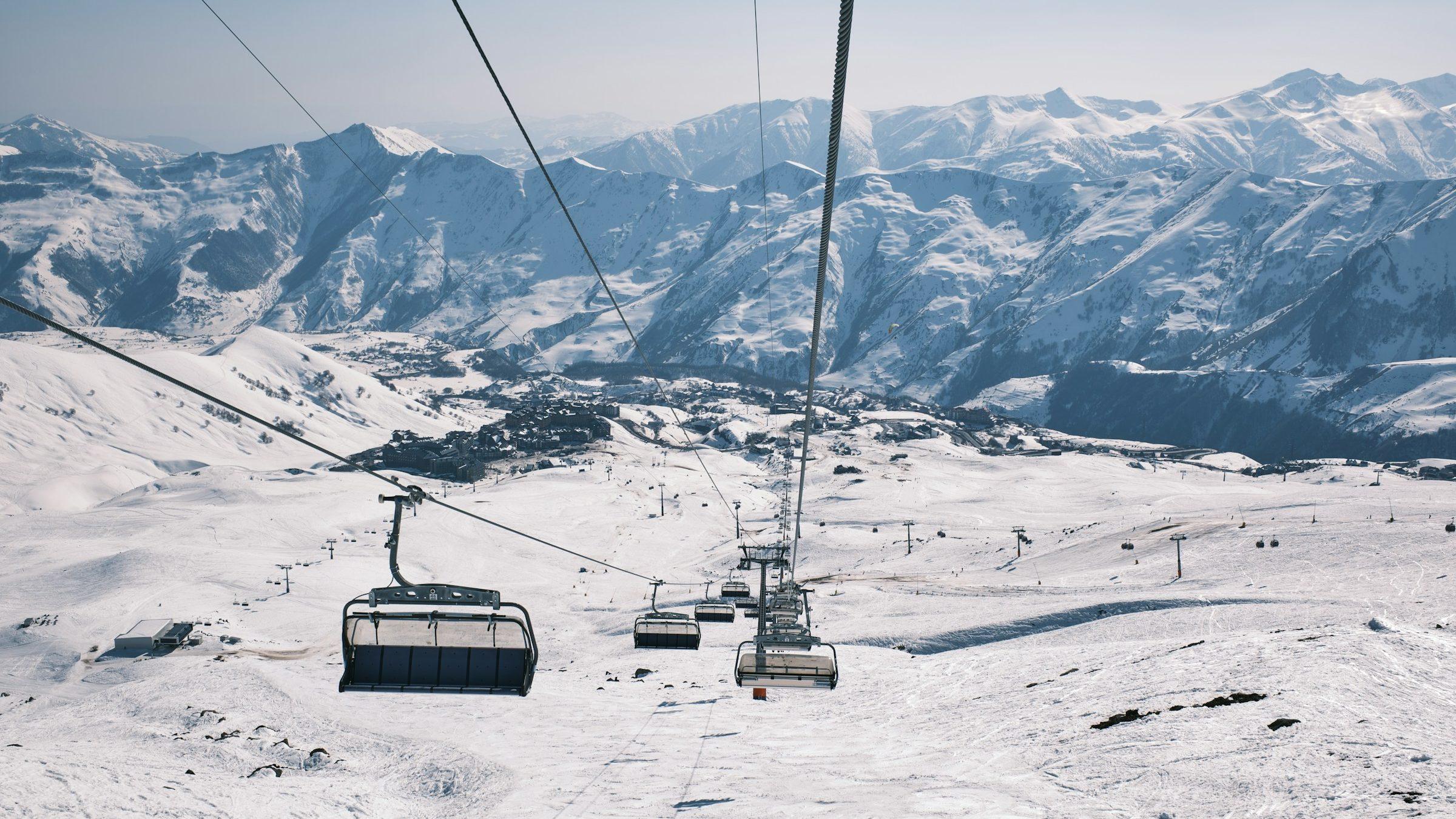
Hokkaido and the northern and central mountains (Niseko, Hakuba and similar areas) get reliable snow from around December to March, the core of the ski season. Sapporo's Snow Festival is provisionally scheduled for 4–11 February 2027, though the full programme is confirmed only from around mid-December 2026, so check the official dates nearer the time.
Tokyo and Kyoto stay largely dry and cold rather than snowy: Tokyo's average low drops to about 1.2°C in January, with clear skies that suit sightseeing and none of the rainy-season crowds.
Japan's holiday crowd peaks to avoid
Japan largely shuts for business from around 29 December to 3 January each year; many shops, restaurants and attractions close for several days, and trains fill with people travelling home for the New Year. Golden Week, 29 April to 5 May 2027, strings four public holidays into a seven-day break; domestic trains and flights sell out and Tokyo and Kyoto hotel rates jump accordingly, with reserved shinkansen seats going on sale about a month ahead. Obon, commonly observed 13–16 August, is the second big domestic travel peak, landing in the hottest and most humid stretch of the year.
A UAE traveller's calendar
UAE winter school breaks (roughly two weeks around Christmas and New Year) line up with Hokkaido's best snow and with Tokyo and Kyoto's clear, dry weather — but also with Japan's own New Year closures and higher fares, so book flights and hotels well ahead if travelling then. Eid al-Fitr 2027 is expected around 9–10 March, pending the moon sighting; that's early for sakura in most of Honshu, where bloom more often starts in the back half of March, though it can suit a quieter pre-blossom trip or travel to Kyushu and southern Japan, where bloom tends to arrive sooner. A UAE spring break typically falls in March or April and can land squarely in cherry blossom season in a good year, so check the bloom forecast, published from around late February, before fixing your dates. UAE summer holidays (June to August) overlap with Japan's rainy season, its hottest months and its typhoon season, plus the Obon travel peak in mid-August — worth weighing against autumn or the shoulder months if your dates are flexible. Whichever month you pick, fares and hotel rates both tend to rise around Japan's own holiday peaks, so book earlier for New Year, Golden Week and Obon travel than you would for the quieter shoulder seasons.
Getting there and the visa
Emirates flies nonstop from Dubai to Tokyo Narita (about 9h25–10h) and Tokyo Haneda (about 9h10–9h40), and also nonstop to Osaka Kansai in a broadly similar flight time; schedules change seasonally, so check current times before booking. Most non-GCC nationalities need either a Japanese visa or, for some, the eVisa processed through VFS Global in Dubai or Abu Dhabi — eligibility depends on your passport, not your UAE residence. See our Japan visa service and Japan visa guide for current eligibility and fees, and our 10-day Japan itinerary for the day-by-day plan once you land.
Plan your Japan trip with Holidayys
If a fully escorted trip suits you better, Highlights of Japan runs 13 days from AED 10,853 per person, from Tokyo through Hakone, Osaka, Hiroshima, Kyoto, Takayama and Kanazawa and back to Tokyo; the next departure, 16 November 2026, is timed for the start of the autumn colour season. For a shorter trip with flights included, Ultimate Japan Adventure covers Tokyo, Kyoto and Osaka in 10 days from AED 9,199 per person.
Message us on WhatsApp at +971 4 589 0001 or use the contact page to time a trip around sakura, koyo or a specific school holiday, and we'll check current fares and availability.
Frequently asked questions
When is cherry blossom season in Japan?
Typically late March to early April in Tokyo, Kyoto and Osaka, and about a month later, early May, in Sapporo. These are long-term averages; actual dates for a given year are forecast from around late February.
What is the best month to visit Japan overall?
It depends on your priority. For cherry blossoms, aim for late March to early April; for comfortable weather with fewer crowds, late October to mid-November or early December suits well; for snow, Hokkaido from January to February. If you're flexible, avoid the rainy season (early June–mid-July) and peak typhoon season (August–September).
Is Japan hot and humid in summer?
Yes. Tokyo's average high reaches 31.3°C in August with high humidity, right after the rainy season ends in mid-July, and this overlaps with the Obon holiday crowds in mid-August.
When are the autumn leaves (koyo) at their best?
Typically the last few days of November in Tokyo, and roughly two weeks later, in the first half of December, in Kyoto. Warmer autumns have pushed the peak later in recent years.
Should UAE residents avoid Japan's holiday periods?
If you can, yes. Golden Week (29 April–5 May 2027), Obon (mid-August) and the New Year period see the heaviest domestic crowds and the highest hotel and transport prices. Book well ahead if those are your only dates.
Do UAE residents need a visa for Japan?
Most non-GCC nationalities do, though eligibility and the exact route — a standard visa or the eVisa — depend on your passport rather than your UAE residence. See our Japan visa guide for current rules.
Related guides
- Japan Visa for UAE Residents 2026: VFS, eVisa, Fees and Processing Time
- Japan Itinerary from Dubai: A Practical 10-Day First Trip
- Flight Times from Dubai: Georgia, Azerbaijan, Bali, Japan and More
- Highlights of Japan, our 13-day escorted tour
Last checked 9 October 2026 against the Japan Meteorological Agency's 1991–2020 climatological normals for Tokyo, the Japan Meteorological Corporation's 2026 autumn-colour forecast, the Japan Weather Association's 30-year cherry blossom averages, JMA's regional rainy-season and typhoon normals, Japan's official 2027 public holiday calendar, the Sapporo Snow Festival committee's 2027 announcement, and airline schedule data for flight times. Forecasts and schedules can shift, so check closer to your travel dates.
- Japan
- Cherry Blossoms
- Best Time to Visit
- UAE Residents